

Finding the perfect bed and prices to match your needs can feel overwhelming in 2026. With new technology, changing materials, and shifting trends, making the right choice is more challenging than ever.
This guide offers nine crucial tips that will help you shop smarter. You will discover how to understand bed types, make the most of sales, compare top brands, and take advantage of emerging market trends.
Avoid common mistakes, gain insider knowledge, and ensure your next purchase delivers comfort and value. Read on to turn your bed and prices search into a confident, successful experience.
Understanding the 2026 Bed Market Landscape
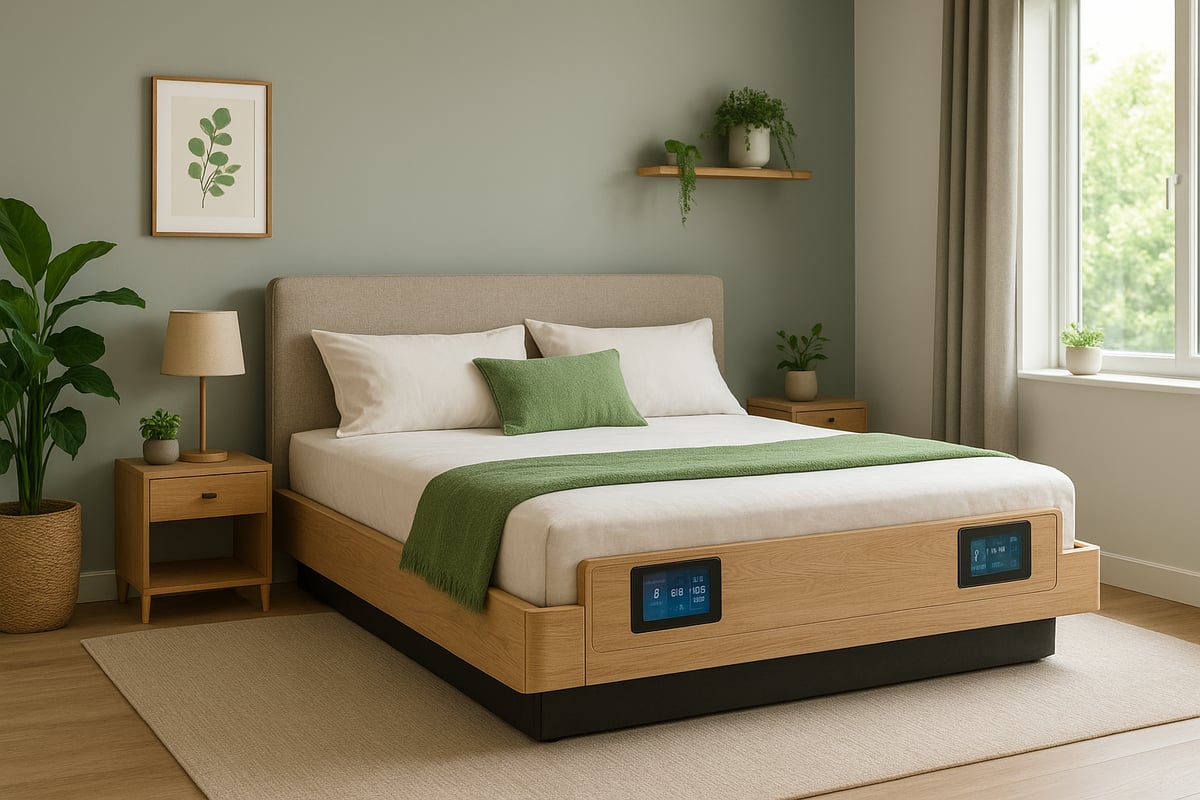
Navigating the 2026 bed market is more complex than ever, with rapid innovation and shifting consumer priorities transforming the way people shop for beds. Today's shoppers are greeted by a wealth of new materials, cutting-edge smart features, and an increased focus on sustainability. The evolution of beds has introduced organic textiles, recycled steel, and temperature-regulating fabrics, all designed to improve comfort and support. With the rise of smart sensors and connected technology, beds in 2026 are not just furniture but high-performance investments.
Economic factors have played a significant role in shaping bed and prices across the UK. Inflation and ongoing disruptions in global supply chains have driven up costs for both manufacturers and consumers. For example, 2025 saw a 12% increase in the average price of beds due to material shortages, as highlighted by Furniture News UK. In-depth analysis of UK mattress market growth projections further reveals how demand, supply, and innovation continue to impact pricing structures. Consumers are now more attentive to fluctuating prices and often wait for the best value.
Transparency in bed and prices has improved with the surge of direct-to-consumer brands. These companies bypass traditional retail markups, providing clearer pricing and often better value. Certifications such as eco-friendly or hypoallergenic labels have become crucial for many shoppers, offering peace of mind regarding health and sustainability. The influence of online reviews and social proof has also grown, with buyers relying on verified feedback before making a purchase decision. This shift empowers consumers to make informed choices and avoid common pitfalls.
Another major trend is the popularity of modular and customisable beds, which cater to individual needs and preferences. Shoppers in 2026 expect beds to fit their unique lifestyle, whether it's through adjustable bases, bespoke headboards, or tailored firmness levels. As a result, bed and prices now reflect not only the quality of materials but also the degree of personalisation available. In summary, today's shoppers are more informed, discerning, and value-driven than ever—demanding both innovation and transparency from the market.
How to Evaluate Bed Quality and Value
Choosing the right bed in 2026 requires more than just finding the lowest price. With the bed and prices landscape constantly evolving, shoppers must focus on overall value. A well-made bed is an investment in comfort and health, but distinguishing quality can be challenging given the sheer range of choices.
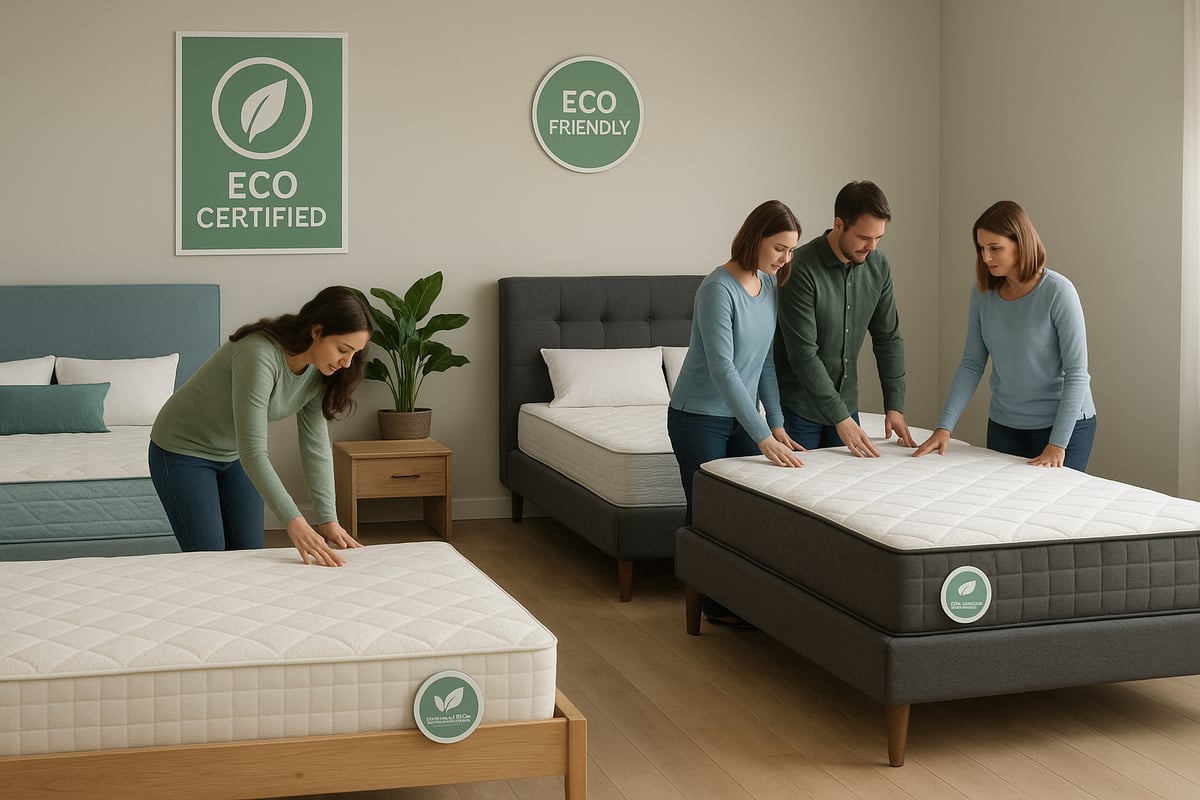
Start by examining the construction of both the bed frame and mattress. Look for robust joinery, high grade woods or metals, and reinforced corners. Mattress quality depends on core materials — memory foam, pocket springs, or hybrid combinations. Pay attention to warranty terms, as beds with a 10+ year warranty generally maintain comfort and structure longer. When comparing bed and prices, remember that a longer warranty often signals confidence in durability.
Next, understand how brand type affects quality and value. High street retailers may offer competitive bed and prices, but online and boutique brands often provide better transparency and customisation. Use third party certifications and industry awards as benchmarks. Labels such as OEKO TEX or the Furniture Industry Research Association (FIRA) mark can help verify claims about eco friendliness or hypoallergenic materials.
Comparing materials is vital. Natural fibres like organic cotton or latex offer breathability and longevity, while synthetic options may be more affordable but less durable. Hybrid beds combine both, aiming for the best of comfort and support. The table below summarises key differences:
| Material Type | Durability | Comfort | Typical Price Range |
|---|---|---|---|
| Natural | High | Plush | £££ |
| Synthetic | Medium | Varies | ££ |
| Hybrid | High | Balanced | £££ |
Beware of flashy features that inflate bed and prices without adding real value. Heated surfaces or built in speakers might sound appealing, but essential support and ergonomic design matter far more. Research popular options, read user reviews, and consider exploring best-selling beds and prices for a sense of what delivers genuine value.
Finally, always test beds in person if possible, or take advantage of trial periods. Lie in your typical sleeping position and assess support along your spine and joints. Ask about return policies and exchange options — a good retailer should let you trial the bed at home for at least 30 nights. This approach ensures you are satisfied with both bed and prices before making a final commitment.
9 Essential Bed And Prices Tips for Smart Shoppers in 2026
Finding the right bed and prices in 2026 can feel overwhelming, but with the right guidance, you can secure both comfort and value. These nine essential tips are designed to help you navigate the modern bed market with confidence, ensuring you get the best possible bed and prices for your needs. Let us explore each key strategy to make your next purchase a smart one.

1. Research Bed Types and Features Before Shopping
Start your search by understanding the main bed types available in 2026. Divan beds offer practical storage, ottoman beds maximise under-bed space, platform beds provide a minimalist look, and adjustable beds add customisable comfort. Each type affects bed and prices differently, so it is vital to match your choice to both your sleep style and room size.
Today’s beds often come with smart sensors, cooling technologies, and innovative fabrics. While these features can enhance comfort, they also impact bed and prices. For example, adjustable beds have surged by 30 percent in popularity among UK homeowners, reflecting a trend towards personalisation.
Make a checklist of must-have features such as integrated storage, adjustable bases, or headboard design. Consider whether you really need high-tech add-ons or if they only serve to increase bed and prices without adding tangible benefits. By focusing on features that align with your needs, you avoid unnecessary spending and ensure your investment delivers value.
2. Set a Realistic Budget and Stick to It
Before falling in love with a designer frame or luxury mattress, research the average bed and prices for your target market segment. Entry-level beds in 2026 start around £350, mid-range options range from £800 to £1,500, while luxury models can exceed £3,000. Remember to factor in delivery, assembly, and essential accessories, as these can quickly inflate your final bed and prices.
Price transparency is crucial. Use online comparison tools to check for hidden costs and evaluate whether special offers genuinely provide value. Many shoppers, approximately 70 percent, admit to overspending because of upselling at checkout. Create a shortlist of beds based on your budget and must-have features, then stick to it.
Set clear financial boundaries before visiting retailers. This discipline helps you resist impulse buys and focus on finding the right bed and prices for your circumstances. Remaining firm on your budget ensures satisfaction long after your purchase.
3. Time Your Purchase for Maximum Savings
Strategic timing can significantly impact bed and prices. The best months for bargains are typically January, during Black Friday, and at end-of-season clearances. Retailers often reduce older models when launching new collections, leading to substantial savings on last year’s designs.
Sign up for retailer newsletters and alerts to be among the first to know about flash deals and exclusive discounts. Beds are, on average, 18 percent cheaper during summer clearance events, making this a prime opportunity to secure better bed and prices.
Consider the broader economic climate as well. During economic downturns, retailers may offer deeper discounts to stimulate sales. Planning your purchase around these cycles can help you secure a quality bed and prices that fit your budget, without compromising on essential features.
4. Compare Brands and Retailers Thoroughly
A smart approach to bed and prices involves evaluating not just the product but also the reputation of brands and retailers. Look for companies with strong customer service, transparent return policies, and positive feedback on verified review platforms.
Specialist retailers often provide superior after-sales support, with 40 percent of buyers reporting better experiences compared to general high street stores. Compare in-store and online-only retailers to assess differences in bed and prices, as well as service levels.
Be cautious of “exclusive” offers that sound too good to be true. Sometimes, these deals mask inflated bed and prices or restrictive terms. By thoroughly researching brands and retailers, you increase your chances of a smooth, rewarding purchase.
5. Check for Warranties, Guarantees, and Trial Periods
When assessing bed and prices, always examine the warranty and guarantee terms. In 2026, a standard warranty lasts around 10 years, but some brands offer longer coverage, which often signals higher quality. A growing number of retailers also include 100-night or even longer trial periods, allowing you to test your bed at home.
Beds with at least a 10-year warranty experience 25 percent fewer returns, highlighting the value of robust aftercare. Always read the fine print on returns and exchanges to avoid unpleasant surprises. For a comprehensive overview of what to expect, consult the Warranties and guarantees explained guide, which details the protections you should look for when comparing bed and prices.
Prioritising generous warranties and clear trial policies protects your investment and ensures you enjoy comfort and peace of mind for years to come.
6. Prioritise Ergonomics and Sleep Health
Your choice of bed and prices has a direct impact on sleep quality and overall health. Evaluate firmness levels, support zones, and pressure relief features to match your preferences and body type. Consulting with healthcare or sleep experts is especially important if you have chronic pain or mobility concerns.
Orthopaedic beds are now recommended for one in five UK adults dealing with back problems. Choosing the right firmness prevents discomfort and ensures restorative sleep, justifying your investment in premium bed and prices.
Avoid extremes, such as beds that are too soft or too firm, as these can exacerbate existing health issues. Testing beds in-store or taking advantage of trial periods allows you to find the optimal balance for your needs.
7. Consider Sustainable and Eco-Friendly Options
Sustainability is a growing factor in bed and prices decisions. Eco-friendly beds made from organic cotton, bamboo, or recycled steel are increasingly popular, with 55 percent of 2026 shoppers preferring sustainable options. Look for certifications like FSC or OEKO-TEX, which indicate responsible sourcing and manufacturing.
While sustainable beds may command higher initial bed and prices, they often offer long-term health and environmental benefits. These beds can also enhance resale value, making them a smart investment for eco-conscious buyers.
Weigh the cost against the benefits to your health and the environment. Prioritising sustainability aligns your purchase with modern values and future-proofs your bedroom.
8. Take Advantage of Showroom Consultations and Expert Advice
Visiting a showroom gives you the chance to assess beds in person and benefit from expert guidance. Staff can help you customise your selection, explain features, and ensure the bed and prices match your requirements. Prepare for your visit by listing questions and noting which features matter most.
Many showrooms now offer virtual consultations and AR or VR tools, allowing you to experience beds remotely. After a showroom trial, 60 percent of buyers report greater confidence in their decision, which can directly influence satisfaction with bed and prices.
Use the knowledge and experience of staff to avoid common mistakes and secure a bed that meets your unique needs.
9. Don’t Overlook Delivery, Assembly, and Aftercare Services
Finalising your purchase involves more than just the initial bed and prices. Compare delivery, assembly, and aftercare policies across retailers, as these services can greatly affect your overall experience. White-glove delivery, expert assembly, and hassle-free returns add significant value.
Beds assembled by professionals result in 30 percent fewer customer complaints, underlining the importance of quality aftercare. Cleaning and repair services can extend the lifespan of your bed and maintain its comfort.
Factor these services into your total bed and prices equation. A slightly higher upfront cost may be justified by superior support and convenience, ensuring long-term satisfaction.
How to Avoid Common Bed Buying Mistakes
Buying a new bed is a major investment, yet many shoppers fall into avoidable traps that impact both comfort and costs. The 2026 bed and prices market is more complex than ever, which means a single oversight can lead to years of regret. What are the most common mistakes, and how can you steer clear of them?
Frequent Mistakes When Shopping for Beds
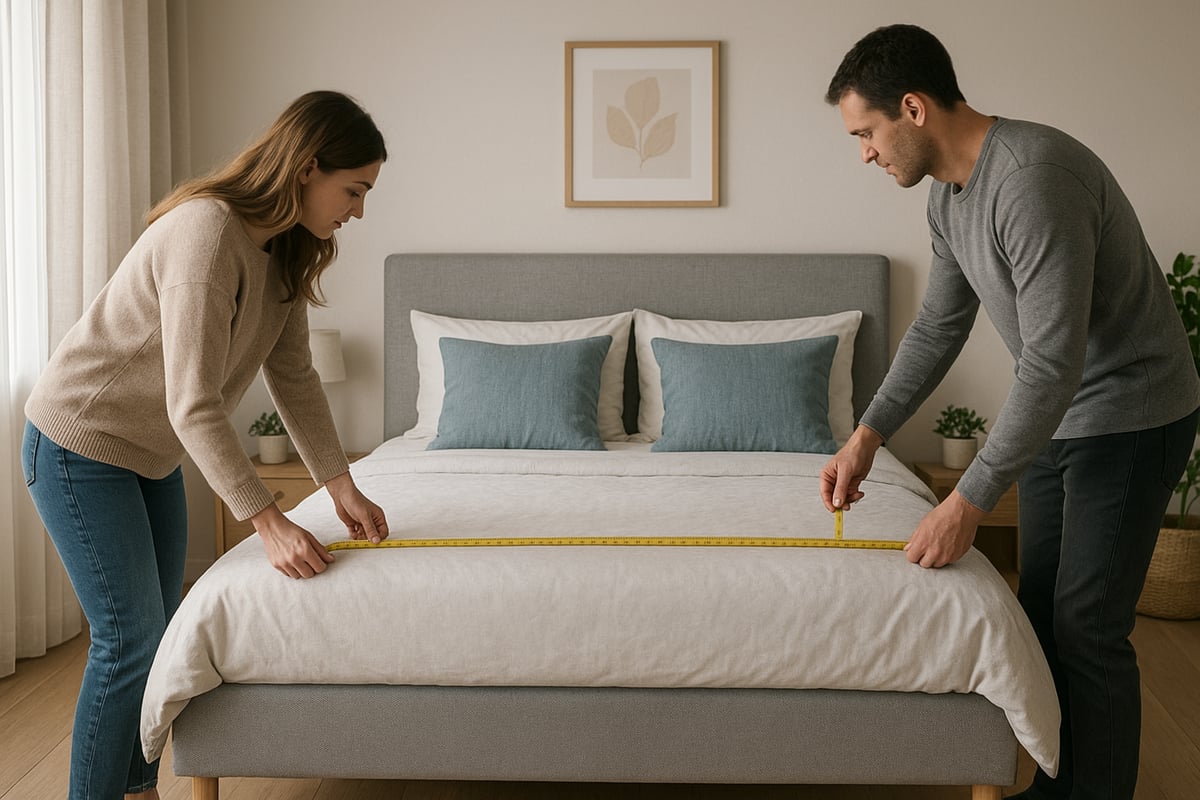
Many buyers make snap decisions, lured in by flashy promotions or time-limited deals. Impulse buying often leads to disappointment, especially if the bed and prices do not reflect the true value. Another common pitfall is failing to measure the bedroom space accurately. Beds that look perfect online may overwhelm a smaller room or simply not fit through doorways.
Neglecting after-sales service is another risk. Some shoppers overlook the importance of delivery, assembly, and returns, only to face frustration later. Choosing a bed based solely on price, without considering warranty or quality, is a shortcut to buyer’s remorse.
Hidden Costs and the Dangers of Bargain Beds
Bargain beds may seem appealing, but hidden costs can quickly add up. Inexpensive models often use lower-quality materials, resulting in sagging, discomfort, or even health issues. A lack of robust warranty or difficult returns policies can leave you stuck with a poor choice.
Consider the experience of a UK shopper who purchased a heavily discounted bed online, only to discover a strict no-return policy. This led to a costly lesson in reading the fine print. For a clear understanding of what to expect, review Delivery and returns policies, which detail essential aftercare and service terms that can affect the real bed and prices value.
The Importance of Research and Reviews
One in three shoppers regret their bed and prices decision due to inadequate research. Skipping the step of reading customer reviews or ignoring retailer policies can backfire. Reliable reviews offer insight into real-world comfort, durability, and service experiences that marketing materials may not reveal.
For a comprehensive overview of frequent pitfalls and how to avoid them, check out Common bed buying mistakes to avoid. Investing time in research pays off by helping you identify the brands and models that truly deliver on their promises.
Spotting Red Flags and Making Informed Choices
Red flags in product listings include vague descriptions, unclear warranty terms, and aggressive sales tactics. Be wary of offers that sound too good to be true, especially if there is little information about after-sales support. Always scrutinise sales pitches and ask for clarification if anything is unclear.
Remember, the right bed and prices decision is about more than just the initial cost. Prioritise quality, transparency, and support. Taking the time to evaluate all aspects of your purchase will save you money and hassle in the long run.
Future Trends in Beds and Pricing for 2026 and Beyond
The bed and prices market is rapidly evolving, with smart technology and innovative materials shaping the future of sleep. In 2026, shoppers can expect to see an influx of connected beds featuring integrated sleep tracking, temperature regulation, and app-controlled settings. These advancements not only improve rest but also influence how bed and prices are set, as consumers increasingly seek value through personalisation and functionality.
A significant trend is the rise of AI-driven recommendations, allowing buyers to match their sleep patterns with the ideal mattress. Data analytics now help brands predict demand and optimise bed and prices for different demographics. The circular economy is also making headway, with more retailers offering bed rental, refurbishment, and recycling services. For example, pilot schemes in major UK cities are trialling large-scale mattress recycling, making sustainability a core factor in the bed and prices equation.
Consumer protection is adapting to these changes, with new regulations focusing on transparency for online shoppers and warranties for smart products. Virtual reality is emerging as a powerful tool, enabling buyers to visualise beds in their own space before purchasing. This shift is particularly relevant as urbanisation and an ageing population drive demand for adaptable, space-saving beds. The impact on bed and prices is clear: customisation and flexibility now command premium pricing.
Staying ahead means understanding not just what is available today, but what is coming next. By following industry news and exploring resources like 2026 bedroom design trends, shoppers can anticipate which features will add lasting value. The key insight is simple: keeping informed about future trends in bed and prices empowers you to make smarter, future-proof choices that align with both your lifestyle and your budget.
Now that you’re equipped with practical tips for navigating the 2026 bed market, you might be eager to experience quality and comfort firsthand. One of the best ways to start is by exploring fabric options that truly suit your style and needs—after all, the right material can make all the difference in both comfort and durability. If you’re considering a tailored bed from The Sleep Co®, why not take the next step and Order Free Fabric Samples Now This way, you can confidently compare finishes at home and ensure you’re choosing a bed that feels just right for you.