
Are you struggling to find restful sleep or waking up sore each morning? Discover how the perfect bed with mattress can revolutionise your nights in 2026.
Choosing a bed with mattress is more than just a purchase, it is an investment in your health, comfort, and style. This comprehensive guide will lead you through the latest options, from innovative designs to advanced materials.
We will explore bed and mattress types, size guides, firmness levels, trending features, practical buying tips, and expert care advice. Ready to experience better sleep and a refreshed morning? Read on for your essential 2026 buying guide.
Understanding Bed and Mattress Types
Choosing the best bed with mattress combination is the foundation of restful sleep. With so many options available, understanding the distinctions between bed and mattress types is essential for making an informed choice. Let’s break down the essentials to help you find your ideal setup.
Overview of Bed Types
The right bed with mattress pairing starts with the bed frame. Each type brings unique benefits and is suited to specific spaces and lifestyles.
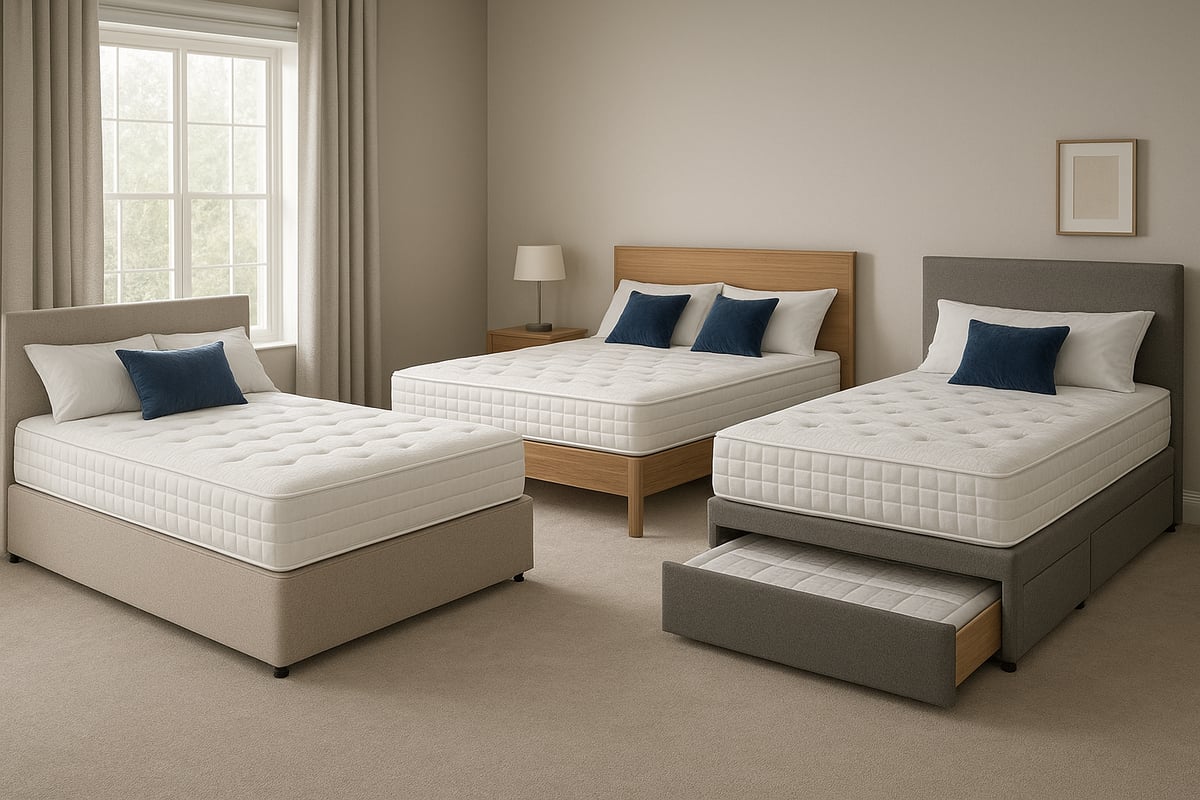
- Divan Beds: These are compact, offering a sturdy base and often built-in storage drawers. Ideal for those seeking a minimalist look and extra storage.
- Ottoman Beds: Featuring a lift-up base, ottoman beds provide up to 60% more storage space, making them perfect for small bedrooms or flats where every inch counts.
- Platform Beds: These sit low to the ground and feature a solid or slatted base. Their simple design suits modern interiors and promotes airflow for the bed with mattress.
- Storage Beds: Blending elements of divan and ottoman beds, these frames offer drawers or compartments for maximum organisation.
| Bed Type | Key Feature | Best For | Potential Drawback |
|---|---|---|---|
| Divan | Drawers, compact | Small rooms, neat storage | Less design variety |
| Ottoman | Lift-up storage | Flats, high storage needs | Heavier, needs clearance |
| Platform | Low profile, airflow | Modern style, easy access | Less storage |
| Storage | Drawers/compartments | Families, clutter control | Can be bulky |
When searching for a bed with mattress, consider your space, design preferences, and storage needs. Each frame offers a different balance of practicality and style.
Mattress Types Explained
A quality bed with mattress setup relies as much on the mattress as the frame. There are several popular types in the UK market, each designed to support different sleep styles:
- Memory Foam: Moulds to your body, relieving pressure points. Excellent for side sleepers and those with joint pain.
- Pocket Sprung: Individual springs encased in fabric ensure support and reduce motion transfer. Suitable for couples and all sleep positions.
- Orthopaedic: Extra firm, designed for spinal alignment and back support. Ideal for those with chronic back pain.
- Latex: Naturally hypoallergenic and breathable, latex mattresses suit allergy sufferers and hot sleepers.
- Hybrid: Combines springs and foam or latex for balanced comfort and support. These remain top sellers in the UK.
| Mattress Type | Best For | Notable Benefit |
|---|---|---|
| Memory Foam | Side sleepers, pain relief | Pressure relief |
| Pocket Sprung | Couples, all positions | Motion isolation |
| Orthopaedic | Back pain sufferers | Extra support |
| Latex | Allergy sufferers, hot sleepers | Breathable, hypoallergenic |
| Hybrid | Mixed needs | Balanced comfort |
Recent industry reports show that memory foam and hybrid options are leading choices for those upgrading their bed with mattress, reflecting a demand for both comfort and adaptability.
Matching Bed Frames and Mattresses
Compatibility between your bed frame and mattress is crucial for both comfort and durability. A mismatched bed with mattress can lead to sagging, discomfort, and premature wear.
Common mistakes include choosing a mattress size that does not fit the frame, or pairing a heavy mattress with a weak base. Support systems also matter; for example, a slatted base may not suit every mattress type.
To ensure the best fit, always check size and support recommendations. For a comprehensive overview, the Bed Frames and Types Guide provides detailed advice on matching frames and mattresses for optimal results.
Tips for the perfect pairing:
- Confirm both frame and mattress dimensions match exactly.
- Select a support system that complements your mattress type.
- Consider ease of assembly and access, especially in tight spaces.
Taking the time to choose a compatible bed with mattress will not only enhance comfort but also extend the lifespan of your investment.
Bed and Mattress Size Guide: Choosing the Right Fit
Selecting the correct bed with mattress size can make all the difference in your comfort and quality of sleep. The right dimensions not only ensure restful nights but also help maximise your bedroom's functionality. Let's explore the key factors you need to consider when choosing your ideal bed with mattress.
Standard UK Bed and Mattress Sizes
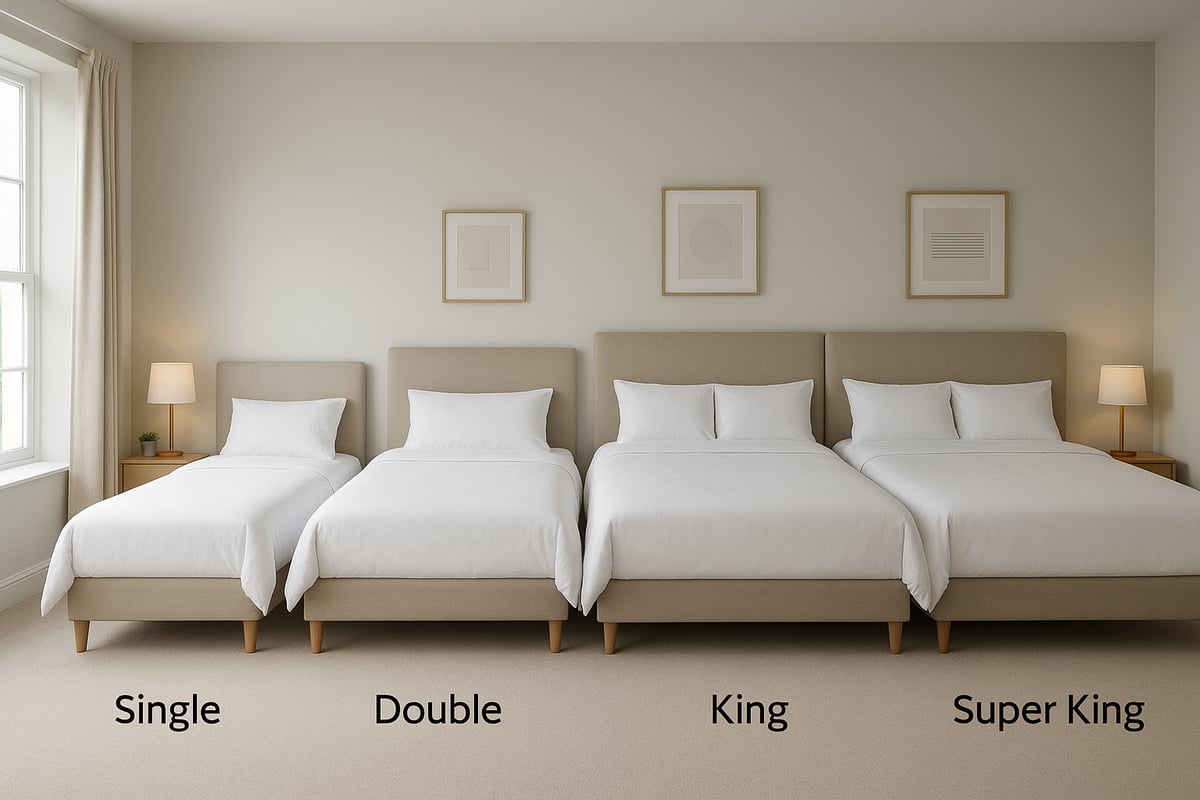
Understanding UK bed and mattress sizes is the first step to finding your perfect fit. The most common options include small single, single, small double, double, king, super king, and emperor. Each size offers unique benefits for different needs and room types.
| Size | Dimensions (W x L) | Typical Use |
|---|---|---|
| Small Single | 2'6" x 6'3" (75 x 190 cm) | Kids, compact rooms |
| Single | 3'0" x 6'3" (90 x 190 cm) | Teens, solo sleepers |
| Small Double | 4'0" x 6'3" (120 x 190 cm) | Guests, small bedrooms |
| Double | 4'6" x 6'3" (135 x 190 cm) | Couples, most households |
| King | 5'0" x 6'6" (150 x 200 cm) | Couples, more space |
| Super King | 6'0" x 6'6" (180 x 200 cm) | Families, luxury comfort |
| Emperor | 7'0" x 7'0" (215 x 215 cm) | Large master suites |
Double and king sizes are the most popular in UK homes, offering a balance of space and practicality. For an in-depth comparison of each bed with mattress size, visit the Mattress Dimensions and Sizes resource for precise measurements and guidance.
Room Size and Layout Considerations
Before investing in a new bed with mattress, measure your room carefully. Allow at least 60 cm of clearance on each side for easy movement. Consider the placement of doors, windows, and furniture to prevent overcrowding.
Space-saving options such as ottoman or divan beds are ideal for compact rooms. These designs provide valuable storage beneath the bed, helping you keep your space tidy and organised. A small double bed with mattress suits guest rooms or apartments where every inch matters.
Use painter's tape or cardboard cut-outs to visualise how each bed with mattress will fit your space. This simple step can prevent costly sizing mistakes.
Who Should Choose Which Size?
Choosing the right bed with mattress depends on your lifestyle and household. Singles and teens often prefer single or small double beds, which provide comfort without wasting space. Couples usually opt for double or king sizes to ensure restful nights without disturbance.
Families with young children may consider a super king or emperor to accommodate occasional co-sleeping. For children and teens, think ahead to future growth so their bed with mattress remains suitable as they mature.
Selecting the right size is a long-term investment in your comfort and well-being. Take time to match your choice to your current and future needs.
Mattress Firmness and Comfort Levels
Choosing the right bed with mattress is about more than just aesthetics. Firmness and comfort levels are the foundation of restful sleep, directly impacting your health and daily wellbeing. With so many options available in 2026, understanding these factors helps you make an informed choice for your unique needs.
Understanding Firmness Ratings
Firmness ratings describe how a mattress feels under your body. Most bed with mattress options fall into four categories: soft, medium, medium-firm, and firm. Each level offers distinct benefits, and the right choice depends on your sleeping position, weight, and health needs.
| Firmness Level | Best For | Typical Sleep Position |
|---|---|---|
| Soft | Lighter individuals, side sleepers | Side |
| Medium | Most adults, combination sleepers | Side or Back |
| Medium-Firm | Back sleepers, most adults | Back |
| Firm | Heavier individuals, stomach sleepers | Front |
According to NHS guidance, a medium-firm mattress suits most adults, providing balanced support for spinal alignment. If you want to learn more about matching firmness to your sleep style, see this Mattress firmness guide for optimal sleep health. Taking the time to understand firmness helps you select a bed with mattress that truly supports your body.
How to Test Mattress Comfort
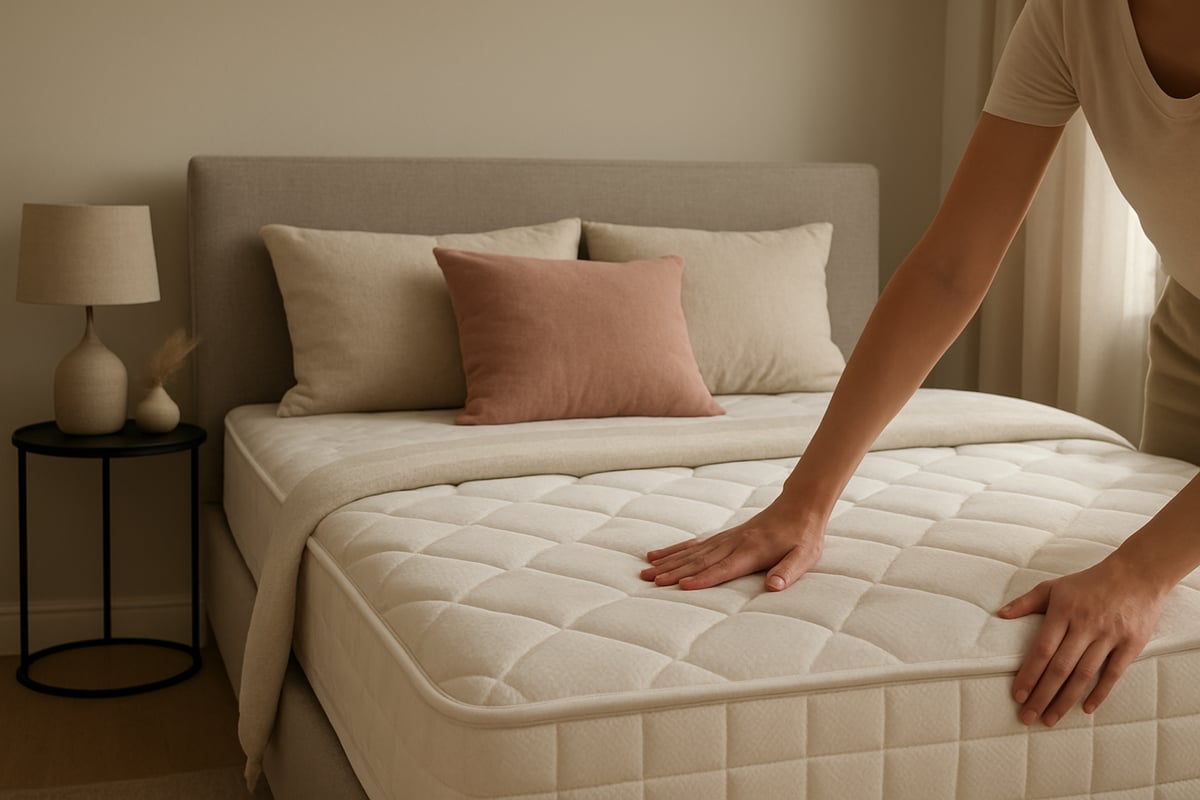
Testing comfort is a crucial step before investing in a bed with mattress. In-store visits allow you to lie down in your usual sleep position, testing for support, pressure relief, and motion isolation. Pay attention to how your shoulders, hips, and lower back feel on each mattress.
If you shop online, read detailed customer reviews and look for brands offering trial periods and straightforward return policies. Trustpilot reviews consistently highlight comfort as the top deciding factor for buyers. Many brands now offer 30 to 100-night trials, granting you time to ensure your bed with mattress meets your expectations. Always check the terms for returns and exchanges to avoid surprises.
Common Sleep Issues and Solutions
Many people experience sleep issues that can be addressed by choosing the right bed with mattress. For back pain, orthopaedic mattresses provide targeted support to maintain spinal health. Allergy sufferers benefit from latex or hypoallergenic mattresses, which resist dust mites and allergens.
Overheating at night is another common concern. Mattresses with natural fillings like wool and cotton offer superior breathability, keeping you cool and comfortable. If you wake with aches or feel unrested, it may be time to consider a new bed with mattress tailored to your needs. Matching your mattress to your sleep challenges can transform your nightly rest and improve your overall quality of life.
Materials, Construction, and Durability
Choosing the right materials and build quality for your bed with mattress is essential for lasting comfort and value. In this section, we’ll explore the differences between mattress fillings, bed frame constructions, and what to expect in terms of durability and warranties.
Mattress Materials Compared
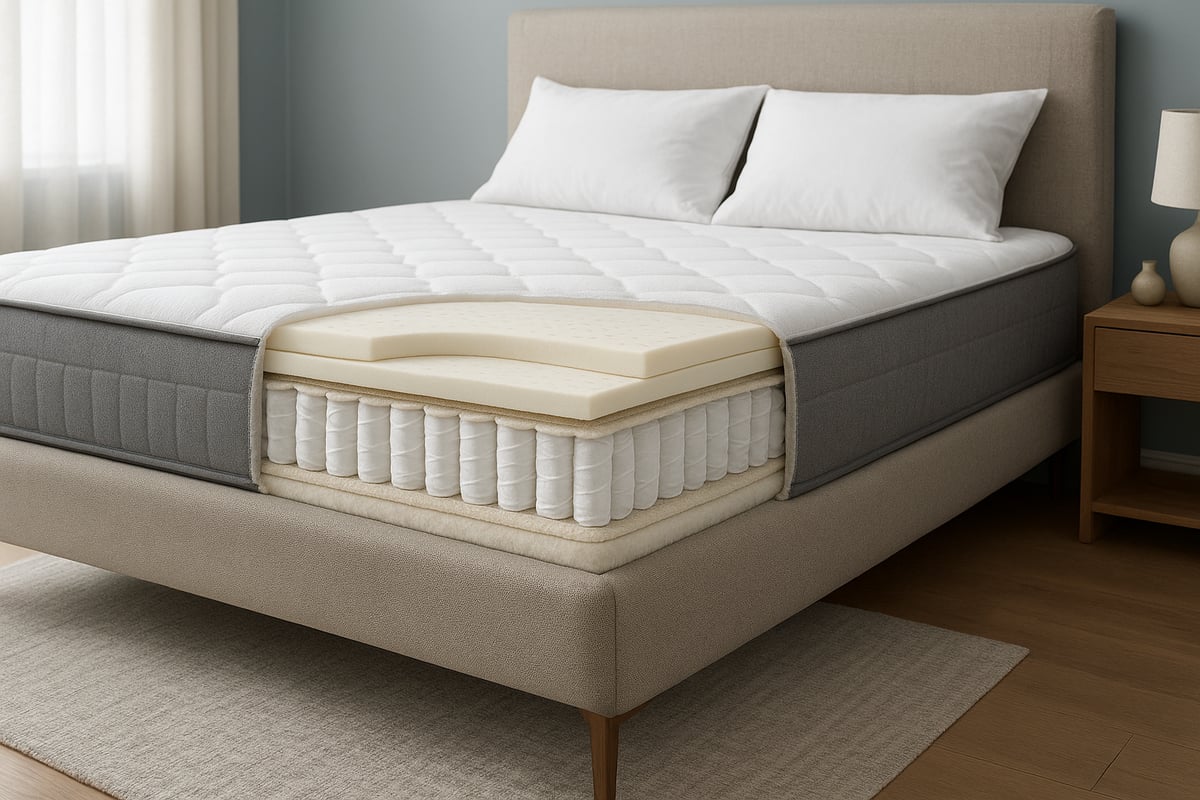
When selecting a bed with mattress, understanding material choices is crucial. Natural fillings like wool and cotton excel at regulating temperature and wicking moisture, making them ideal for year-round comfort. Latex, another natural material, offers excellent bounce and is naturally hypoallergenic.
Synthetic options, such as memory foam and gel, provide tailored support and pressure relief. Memory foam contours to your body, relieving stress on joints, while gel-infused foams improve airflow for cooler sleep. Hybrid designs combine springs with foam or latex, offering the best of both worlds.
Breathability and hypoallergenic properties can greatly impact sleep quality. Natural fillings typically allow for better airflow, whereas synthetic foams may trap more heat. If you want to compare a wide range of options, the Complete Mattress Collection is a helpful starting point for finding your perfect bed with mattress.
Longevity varies: latex and high quality pocket springs often outlast basic foams, while natural fillings resist sagging. Choose materials that fit your climate, allergies, and comfort needs.
Bed Frame Materials and Build
The foundation of your bed with mattress is just as important as the mattress itself. Solid wood frames are known for their strength and classic style, while metal frames are lightweight and easy to maintain. Hybrid designs blend metal and wood, providing both stability and a modern look.
Upholstered frames, covered in fabric or leather, add a touch of luxury and comfort. These are now trending in the UK for their contemporary appeal and soft edges. However, they may require more regular cleaning compared to wood or metal.
When deciding on a bed with mattress, consider how the frame complements your room’s design and supports your mattress. A sturdy, well built frame extends the lifespan of your investment and ensures consistent comfort.
Longevity and Warranties
A quality bed with mattress should stand the test of time. On average, mattresses last 7 to 10 years, while bed frames can endure for up to 15 years with proper care. Natural latex and hybrid mattresses often offer the greatest durability, maintaining their shape and support longer than budget foams.
Warranty periods have improved in recent years. Many reputable brands now provide 10 to 15 year warranties on bed frames and mattresses. These warranties typically cover structural defects and significant sagging, giving you peace of mind.
Before purchasing, always review the warranty details for your chosen bed with mattress. Look for clear terms on what is covered, how to claim support, and any requirements for care or use. Investing in a well constructed sleep solution ensures long term comfort and value.
Trending Features and Innovations for 2026
The world of sleep is evolving rapidly, with 2026 bringing a host of innovative features and trends to the forefront. Whether you are seeking a smarter, greener, or more stylish bed with mattress solution, the latest developments promise to transform your nightly routine. Let’s explore the most significant advancements shaping the future of sleep comfort and style.
Smart Mattresses and Beds
Smart technology is revolutionising the bed with mattress experience. In 2026, smart beds offer features like sleep tracking, adjustable firmness, and climate control. These innovations allow users to personalise their sleep environment for optimal rest.
Sleep tracking sensors monitor movement and sleep cycles, providing valuable feedback. Adjustable firmness lets each sleeper customise support, which is especially helpful for couples with different preferences. Temperature regulation systems keep the bed cool in summer and warm in winter, addressing a key complaint among UK sleepers.
Market forecasts show strong growth in smart bed adoption, with hybrid mattresses integrating sensors for health monitoring. These advancements are designed to enhance comfort, health, and convenience, setting a new standard for the modern bed with mattress.
Sustainable and Eco-Friendly Options
Sustainability is now a major factor in choosing a bed with mattress. Manufacturers are increasingly using organic and recyclable materials, from natural latex to responsibly sourced wool and cotton. These choices appeal to environmentally conscious shoppers and contribute to healthier indoor air quality.
Look for certifications such as OEKO-TEX or CertiPUR, which guarantee materials are free from harmful substances. Industry data shows that 40% of UK consumers now prefer eco-friendly bedding, reflecting a strong shift in consumer values.
Eco-friendly mattresses often feature biodegradable components and reduced chemical treatments. These options not only benefit the planet but also support allergy sufferers and those sensitive to synthetic materials. By prioritising sustainability, the bed with mattress industry is helping customers sleep better and feel better about their impact.
Space-Saving and Multipurpose Beds
Urban living and smaller homes have driven demand for beds that maximise every inch. Space-saving designs, such as ottoman beds, provide up to 60% more storage—ideal for keeping bedrooms clutter-free. Sofa beds and modular designs offer flexibility for guest rooms and multipurpose spaces.
Ottoman beds are especially popular for their simple lift-up mechanism and generous hidden storage. If you are interested in how these solutions work, read more in this guide: Ottoman Storage Beds Explained. Modular beds can be reconfigured as needs change, supporting evolving lifestyles.
Choosing a bed with mattress that incorporates storage or multipurpose functionality is a practical solution for modern homes, ensuring comfort without sacrificing valuable space.
Design Trends and Customisation
Style is as important as function for many shoppers in 2026. Minimalist, Art Deco, and Scandinavian influences are all popular, with luxury upholstery and statement headboards leading the way. Customisation has become a defining feature, allowing homeowners to select fabrics, colours, and headboard shapes to suit their personal taste.
Bespoke options, such as free fabric samples and tailored designs, are now widely available. This level of personalisation means that every bed with mattress can be unique, reflecting the owner’s lifestyle and aesthetic preferences.
Upholstered beds are trending for their combination of comfort and sophistication. The ability to mix and match components ensures that your sleep space is both beautiful and practical.
The Sleep Co®: British Craftsmanship and Personalised Sleep Solutions
For those seeking the pinnacle of quality and customisation, The Sleep Co® stands out in the 2026 landscape. This British brand offers premium upholstered beds, mattresses, and sofa beds, all crafted with meticulous attention to detail.
Unique features include expert delivery and assembly, a 15-year bedframe warranty, and private showroom consultations. The Sleep Co® provides free fabric samples and a wide range of customisation options, making it easy to create a bed with mattress tailored to your needs.
By focusing on British craftsmanship, modern design, and customer service, The Sleep Co® perfectly aligns with the top trends of 2026. Their commitment to quality, personalisation, and innovation ensures that every customer enjoys both style and substance in their bedroom.
Buying Tips: How to Choose Your Perfect Bed With Mattress
Choosing the right bed with mattress is a significant investment in your comfort and health. With so many options available, it can be overwhelming to know where to start. This step-by-step guide will help you make an informed decision, ensuring you find the best fit for your needs and lifestyle in 2026.
Step 1: Assess Your Needs and Preferences
Start by considering what you need from your new bed with mattress. Think about your sleeping position, whether you suffer from back pain, allergies, or overheating, and if you share your bed with a partner or pet.
Evaluate your room size and storage requirements. For instance, a king size bed with mattress offers more space for couples, while an ottoman bed is ideal for maximising storage in smaller rooms.
List your top priorities, such as firmness, support, or ease of cleaning, to narrow your options efficiently.
Step 2: Set Your Budget and Compare Value
Determine a realistic budget for your bed with mattress purchase. Prices vary widely, with quality models often costing more upfront but offering greater longevity and comfort.
Balance cost against expected lifespan, warranty, and included features like free delivery or assembly. The UK mattress market is growing, and value-driven choices are increasingly available.
Look for seasonal sales, clearance deals, or express delivery options to stretch your budget further without compromising on quality.
Step 3: Research and Shortlist Options
Use expert guides, online reviews, and showroom visits to build a shortlist of potential bed with mattress combinations. Check for industry certifications and long-term warranties to ensure durability and safety.
Independent reviews are invaluable for genuine user feedback. For comprehensive advice on selecting the right product, consult resources like How to choose a mattress, which covers key factors such as firmness, materials, and health needs.
Compare product features, customer satisfaction ratings, and after-sales support to identify leading contenders.
Step 4: Test and Evaluate
Whenever possible, test your chosen bed with mattress in person. Lie down in your usual sleeping position and assess how it feels for support, comfort, and noise levels.
If you are buying online, look for brands offering trial periods and easy return policies. Many companies provide virtual tools or quizzes to help match you with the right bed with mattress, enhancing your confidence in the purchase.
Pay attention to real user experiences, as comfort is subjective and varies from person to person.
Step 5: Finalise Purchase and Arrange Delivery
Once you have selected your ideal bed with mattress, review the delivery and assembly options. Some retailers offer free delivery or premium services that include assembly and removal of old furniture.
Confirm delivery times, access requirements, and what is included in the service. This step ensures a smooth transition and avoids any last-minute surprises.
Keep all receipts and warranty information in case you need future support.
Step 6: Prepare Your Bedroom
Before your bed with mattress arrives, measure your space carefully and clear out old furniture. Plan your layout to ensure easy access and optimal use of your room.
Prepare any accessories, such as mattress protectors or hypoallergenic bedding, to extend the life of your investment.
A well-prepared bedroom allows for a seamless setup and helps you enjoy the benefits of your new bed with mattress from the very first night.
Bed and Mattress Care: Maximising Comfort and Lifespan
A bed with mattress is a significant investment, so proper care is essential to ensure lasting comfort and value. Simple routines and the right accessories can extend the lifespan of your bed with mattress, helping you rest easy night after night.
Regular Maintenance Routines
To maximise the comfort and durability of your bed with mattress, establish a regular maintenance schedule. Rotate and flip your mattress every three months (if double-sided) to prevent sagging and ensure even wear. For single-sided mattresses, rotating head-to-toe is sufficient.
Vacuum the mattress surface and bed frame regularly to remove dust and allergens. For upholstered beds, use a fabric-safe cleaner and a soft brush to keep materials fresh. Always follow manufacturer care instructions to avoid damaging your bed with mattress.
- Rotate and/or flip every three months
- Vacuum mattress and frame monthly
- Clean fabric with appropriate solutions
Consistent care helps maintain hygiene and extends the useful life of your bed with mattress.
Protecting Against Wear and Allergens
A mattress protector is a simple yet effective way to shield your bed with mattress from spills, dust mites, and stains. Choose hypoallergenic covers to reduce allergy risks and keep the sleeping environment healthy.
Regularly wash bedding and protectors at 60°C to eliminate allergens. Industry studies show that using a protector can extend mattress life by up to 30 percent, saving you money in the long run.
- Use waterproof, hypoallergenic protectors
- Wash bedding and covers frequently
- Minimise exposure to dust and pet dander
Protecting your bed with mattress ensures comfort and peace of mind, especially for allergy sufferers.
When to Replace Your Bed or Mattress
Even with the best care, every bed with mattress will eventually need replacing. Look for signs such as sagging, persistent noise, discomfort, or increased allergy symptoms. Mattresses typically last 7 to 10 years, while bed frames can last 10 to 15 years.
Here is a quick reference table:
| Item | Average Lifespan |
|---|---|
| Mattress | 7–10 years |
| Bed Frame | 10–15 years |
Staying aware of these timelines helps you plan ahead. With the UK mattress market projected to reach USD 2.18 billion by 2035, more consumers are prioritising timely replacement and care of their bed with mattress.
Enhancing Sleep Quality Beyond the Bed
Your bed with mattress is the foundation of good sleep, but don't overlook the impact of pillows, bedding, and room environment. Invest in supportive pillows that match your sleep style, breathable duvets, and blackout curtains to optimise rest.
Smart accessories like sleep trackers and temperature control devices can further enhance your sleeping experience. Maintain a calm, clutter-free bedroom to create the best environment for your bed with mattress.
- Choose the right pillow for neck support
- Select breathable, high-quality bedding
- Use blackout curtains or sleep aids as needed
Enhancing your sleep space maximises the benefits of your bed with mattress investment.
Troubleshooting Common Issues
If your bed with mattress develops squeaks, dips, or odours, address these issues promptly. Tighten bed frame joints to eliminate noise, and use mattress toppers to smooth minor dips. For odours, air out the mattress and use baking soda to neutralise smells.
Should problems persist, check your warranty and contact customer support for guidance. Keep records of your purchase and care routines to streamline any warranty claims related to your bed with mattress.
- Tighten frame joints for squeaks
- Air and deodorise mattress regularly
- Consult warranty for persistent issues
Quick fixes can solve most problems, ensuring your bed with mattress remains comfortable and supportive.
You’ve explored all the essentials for finding your ideal bed and mattress combination, from understanding different types and materials to choosing the right fit for your space and needs. At The Sleep Co®, we believe that comfort should reflect your personal style as much as your sleep preferences. If you’re ready to see how bespoke craftsmanship can truly transform your bedroom, why not start by exploring our range of fabrics? It’s a simple yet impactful step towards a tailored sleep experience. You can Order Free Fabric Samples Now and begin designing your perfect match with confidence.