
Imagine closing your eyes in a habitat on the Moon, surrounded by technology designed for comfort in an environment unlike any on Earth. In this essential guide, you will discover everything you need to know about selecting, setting up, and maintaining a lunar bed for 2025. We will explore the science of sleep in lunar gravity, the latest materials and features, and provide step-by-step advice to ensure restful nights away from home. Whether you are preparing for lunar living or simply curious about the future of sleep, this handbook offers practical insights to help you achieve optimal rest in a new world.
The Science of Sleep on the Moon
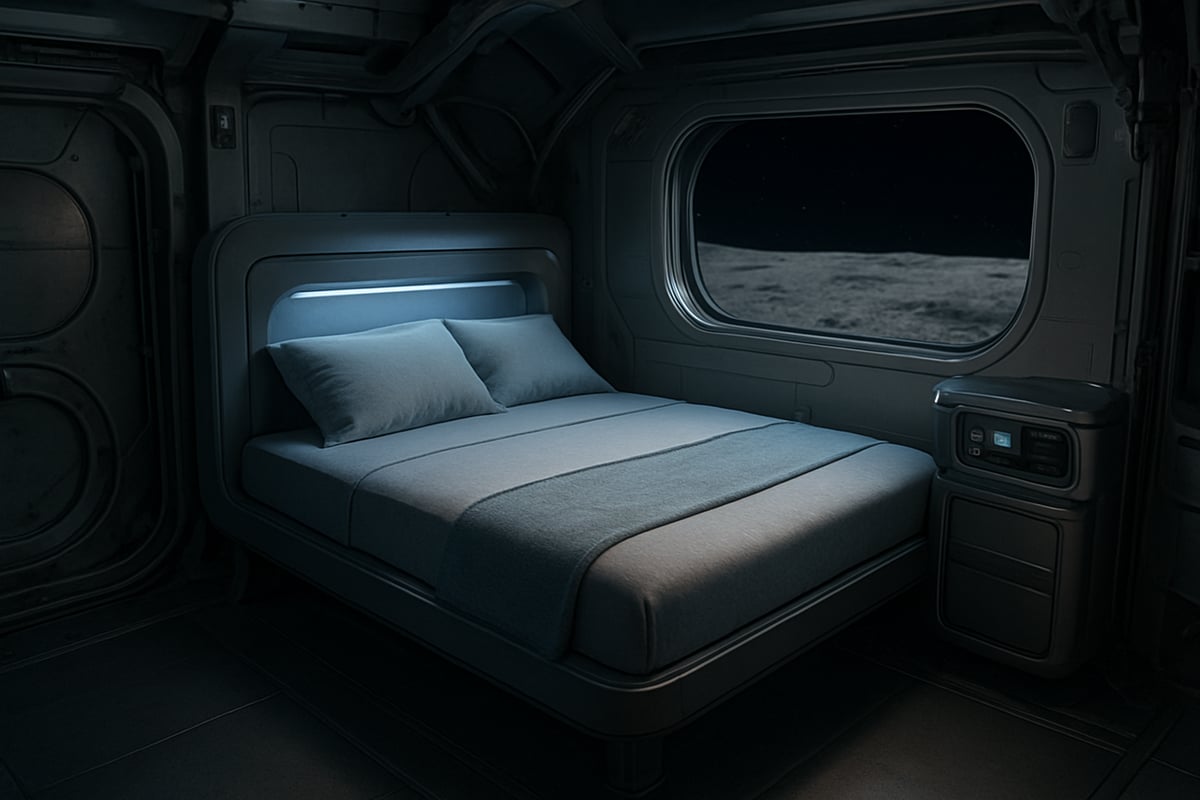
Imagine drifting off to sleep surrounded by the stark beauty of the lunar surface. Yet, beneath this awe-inspiring view, the Moon presents unique challenges for restful sleep. The lunar environment is defined by reduced gravity, harsh temperature swings, and a lack of atmosphere. These factors demand a complete rethinking of how a lunar bed can support healthy sleep.
The Lunar Environment and Its Impact on Sleep
The Moon’s gravity is just one sixth that of Earth. This fundamental difference means the body experiences less downward force, affecting how muscles and joints rest during sleep. Temperature extremes are another challenge, with lunar nights plummeting to minus 173°C and days soaring to over 100°C. Without a breathable atmosphere, heat transfer and insulation must be managed entirely within the habitat.
| Factor | Lunar Value | Earth Value |
|---|---|---|
| Gravity | 1/6 Earth | 1g |
| Temperature | -173°C to +127°C | -50°C to +50°C |
| Atmosphere | None | Nitrogen/Oxygen mix |
A lunar bed must address these conditions, providing stability, insulation, and comfort where traditional beds would fail.
Gravity and Body Support: Rethinking Comfort
In low gravity, the human body does not sink into a mattress in the same way as on Earth. Muscles relax differently, and pressure points shift, increasing the risk of discomfort or even muscle atrophy over time. A lunar bed must offer precise support, redistributing pressure and maintaining natural spinal alignment.
Standard beds rely on gravity to keep sleepers in place, but on the Moon, there is a tendency to float or drift. For this reason, the lunar bed integrates adjustable restraints or gentle harness systems to keep astronauts secure yet comfortable throughout the night.
Circadian Rhythms and Lunar Bed Adaptation
Our bodies are guided by circadian rhythms, internal clocks that synchronise with the 24-hour day-night cycle. On the Moon, with its 29.5 Earth-day cycle and constant artificial lighting, these rhythms can be severely disrupted. Research shows that without natural cues, sleep quality suffers.
The lunar bed plays a crucial role in addressing this. Integrated lighting systems can simulate Earth-like dawn and dusk, helping regulate circadian cycles. Studies in lunar habitat simulations have shown that beds equipped with these smart features help sleepers fall asleep faster and wake more refreshed.
Astronaut Sleep: Challenges and Innovations
Astronauts commonly report up to two hours less sleep per night in space, according to NASA’s 2023 findings. Sleep loss can impair cognitive function, mood, and physical health. Key challenges include microgravity-induced discomfort, noise from life-support systems, and irregular schedules.
To combat these issues, space agencies have designed sleep pods and advanced bedding solutions. Pressure redistribution, temperature regulation, and sound insulation are core features in every modern lunar bed. For a closer look at how these challenges are studied and addressed, read about NASA's Sleep In Orbit study.
Psychological and Environmental Factors
Life on the Moon brings psychological challenges, including isolation, altered light exposure, and persistent ambient noise. These factors can disrupt sleep patterns and increase stress. The lunar bed must therefore create a cocoon-like environment, isolating the sleeper from external disturbances.
Key adaptations include:
- Blackout panels to block stray light
- White noise generators to mask equipment sounds
- Customisable temperature and humidity controls
These features combine to create a sanctuary for rest, even in the most alien setting.
Real-World Examples and Ongoing Research
Sleep pod designs used in Artemis missions incorporate many of these innovations. Analog studies in simulated lunar habitats, such as those at the LUNA Moon facility, have provided valuable data. Participants using advanced lunar bed prototypes reported improved comfort, better sleep quality, and reduced fatigue.
Ongoing research continues to refine these designs, ensuring that as lunar exploration advances, the science of sleep keeps pace. The lunar bed is not just a place to rest—it is a cornerstone of health and performance for every lunar explorer.
Key Features of a Lunar Bed in 2025
Selecting the right lunar bed for 2025 means understanding a blend of innovative materials, ergonomic support, and seamless integration with habitat systems. As lunar missions progress, these features are no longer a luxury but an essential part of daily life on the Moon.
Advanced Materials and Construction
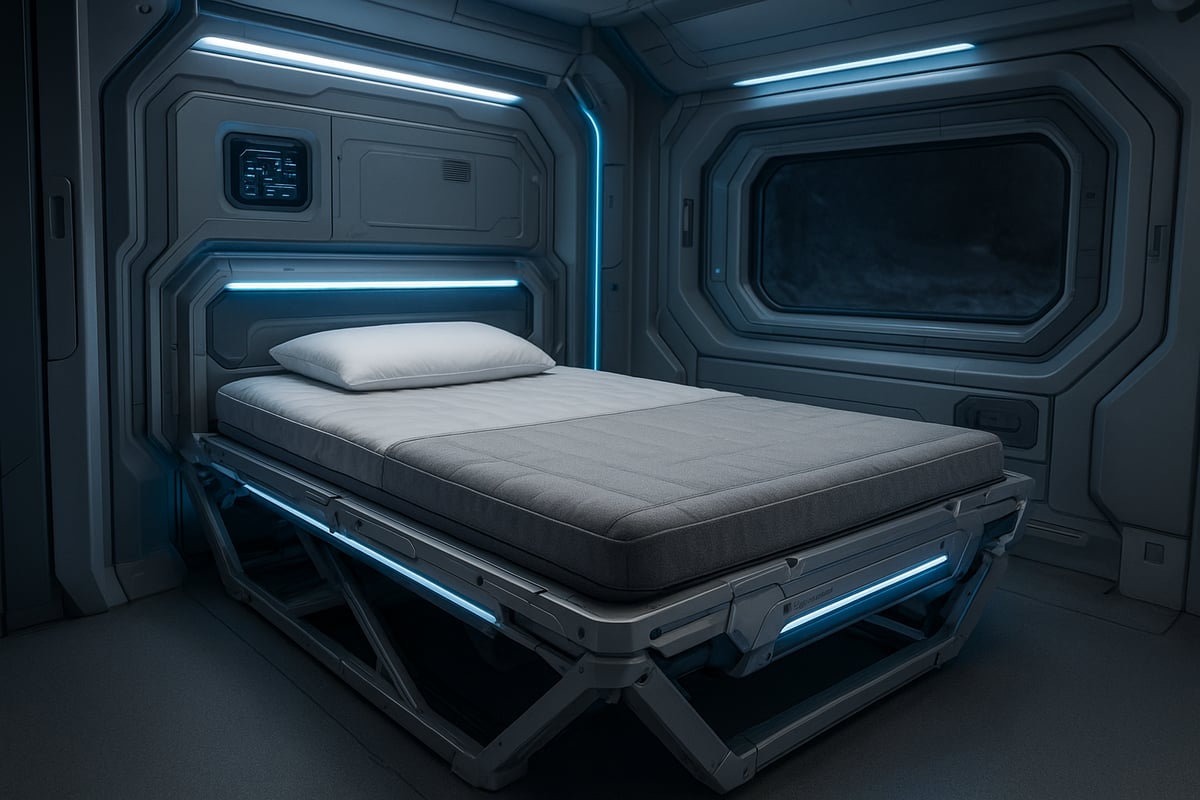
A lunar bed in 2025 is engineered to meet the unique demands of space. Lightweight composites and memory foams, specially adapted for lunar gravity, form the core of these beds. This ensures easy transport and assembly without sacrificing comfort or support.
Thermal regulation is achieved through phase change materials, which maintain a stable temperature within ±1°C. Integrated heating and cooling layers provide further control, crucial for coping with the Moon's temperature extremes. Antimicrobial and hypoallergenic fabrics are standard, supporting hygiene in closed lunar habitats. Fire resistance and low off-gassing rates are mandatory for safety, reducing toxic risks in the sealed environment.
NASA prototypes have incorporated aerogel insulation, maximising warmth while keeping weight to a minimum. Modular and collapsible frames mean the lunar bed can be compactly packaged for transfer through airlocks and quickly assembled on site.
Material Comparison Table
| Feature | Benefit | Example |
|---|---|---|
| Lightweight composite | Easy transport, strong support | Bed frame structure |
| Phase change textile | Stable temperature | Mattress cover |
| Aerogel insulation | Maximum warmth, low mass | Bedding layers |
| Antimicrobial fabric | Hygiene, reduced allergens | Mattress surface |
Every aspect of material choice ensures the lunar bed is both comfortable and practical for long-term Moon missions.
Ergonomics and Support Systems
Ergonomic support is at the heart of every lunar bed. Adjustable firmness systems allow each user to tailor their sleeping experience, crucial in low gravity where traditional mattresses may not provide adequate support. Zonal adjustments target the spine, hips, and shoulders, ensuring pressure is distributed evenly and reducing the risk of discomfort or pressure sores.
Embedded sensors monitor posture and health, delivering feedback to help optimise sleep quality. Pressure mapping technology, trialled in lunar analog missions, has shown a 30% reduction in sleep interruptions by adapting support in real time.
For those seeking true personalisation, many lunar bed models offer features similar to those in the Adjustable Beds Collection, enabling precise control over elevation, firmness, and support zones for each occupant.
Key ergonomic features include:
- Customisable firmness for individual needs
- Adjustable support for critical body areas
- Integrated sensors for health and posture feedback
- Pressure mapping to prevent discomfort
- Quick manual or digital adjustments
With these systems, the lunar bed not only supports the body but also actively promotes better sleep and overall health.
Environmental Integration and Smart Features
A lunar bed must fit seamlessly within the compact confines of a habitat module. Designers focus on beds that maximise space while providing essential comfort. Integrated blackout panels and white noise systems help block unwanted light and sound, supporting restful sleep despite the busy habitat environment.
Smart connectivity is a hallmark of the 2025 lunar bed. Health monitoring, sleep tracking, and integration with habitat systems ensure every rest period is optimised. Emergency egress features, such as quick-release mechanisms, are included for rapid response in critical situations.
Integrated lighting can simulate day and night cycles, helping regulate circadian rhythms. Recent studies have shown a 40% improvement in sleep efficiency when environmental controls are managed intelligently.
Smart features include:
- Blackout panels and sound isolation
- Real-time health and sleep tracking
- Seamless integration with habitat controls
- Emergency safety mechanisms
The modern lunar bed is more than a place to sleep, it is a cornerstone of health, safety, and comfort in lunar living.
Step-by-Step: Setting Up Your Lunar Bed
Preparing your lunar bed requires precision and careful planning. Each step, from unpacking to the final safety checks, ensures you achieve optimal comfort and performance in your lunar habitat.
Pre-Installation Preparation
Start by assessing your available space inside the lunar habitat. Measure the floor area and identify suitable locations for the lunar bed, keeping clearance for emergency routes.
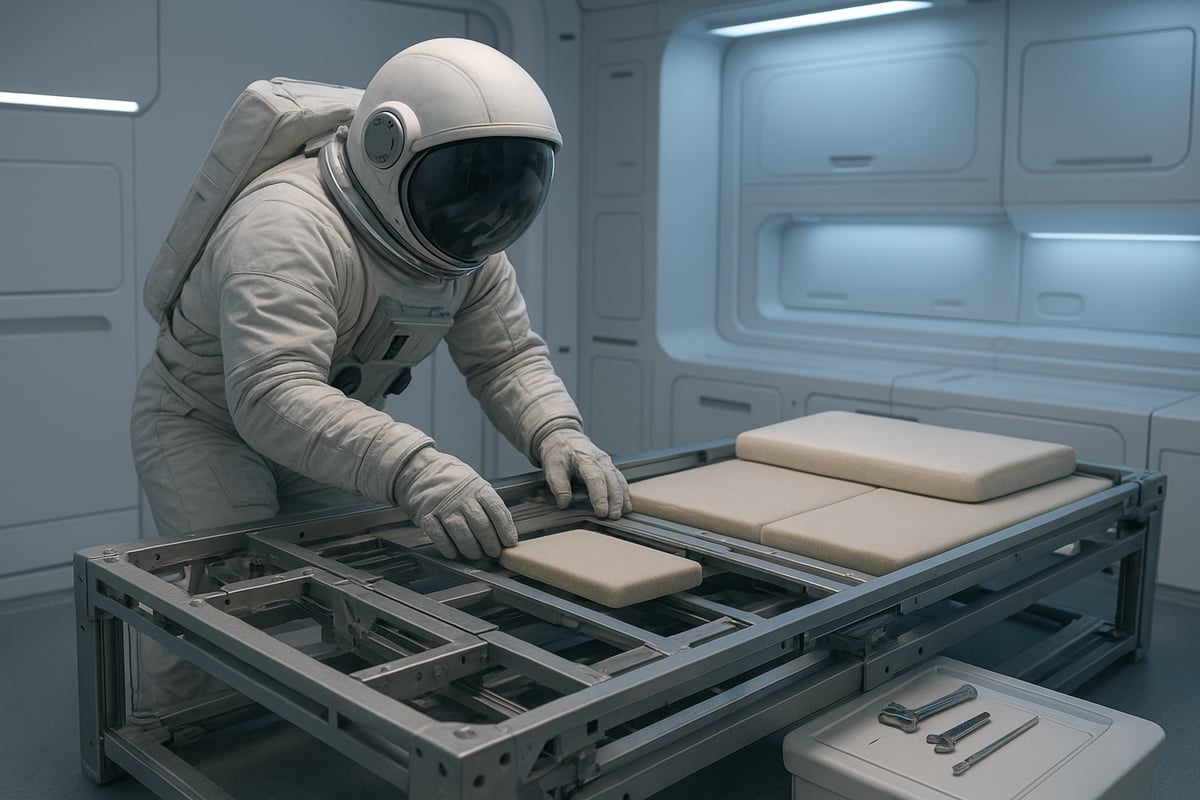
Create an inventory of essential tools and all components before you begin. This typically includes the bed frame, mattress modules, fastenings, and smart system cables. Confirm that all parts are compatible with your habitat’s power and environmental systems.
Compact packaging is designed for easy transfer through airlocks. Follow safety protocols for moving and unpacking materials in low gravity, such as securing loose items and wearing dust-resistant gloves. For a deeper understanding of frame considerations, the Bed Frame Buying Guide offers insights into selecting the right frame features for unique environments.
Assembly Process
Begin assembly by laying out all parts in the designated area. Assemble the frame according to the manufacturer's instructions, ensuring each joint is secure and level with the habitat floor.
Attach the frame using magnetic or Velcro fastenings, which stabilise the lunar bed even in low gravity. Position the mattress modules, locking them into place for reliable support.
Connect the smart systems, including sensors, power, and data links. Once assembled, test the structural stability and inspect environmental seals to prevent dust infiltration or air leaks.
This process ensures the lunar bed is safely anchored, fully functional, and ready for customisation.
Calibration and Personalisation
With the lunar bed assembled, adjust the firmness and support levels using the integrated control panel or manual dials. Tailor the bed’s support zones to your preferences, ensuring comfort for your spine, hips, and shoulders.
Sync the bed with your habitat’s health monitoring systems. Customise lighting and sound features to match your preferred sleep environment, setting alarms to align with the lunar day and night rhythm.
Personalisation is vital for adapting to the unique challenges of lunar sleep. A well-calibrated lunar bed will enhance restorative rest and support long-term wellbeing.
Safety and Final Checks
Complete your setup with a thorough review of all connections and safety features. Run diagnostic tests on smart monitoring systems to confirm proper operation.
Practise emergency egress using quick-release mechanisms to guarantee swift exit if needed. Log all installation details and maintenance schedules in your habitat’s documentation system.
A properly maintained lunar bed ensures continuous performance and safety. Regular checks and adherence to protocols help maximise both comfort and peace of mind during your lunar stay.
Maintenance and Longevity in Lunar Conditions
Maintaining a lunar bed in the harsh environment of the Moon requires a proactive approach. Regular care ensures not only comfort but also the safety and durability of your sleep system, supporting restful nights in your lunar habitat.
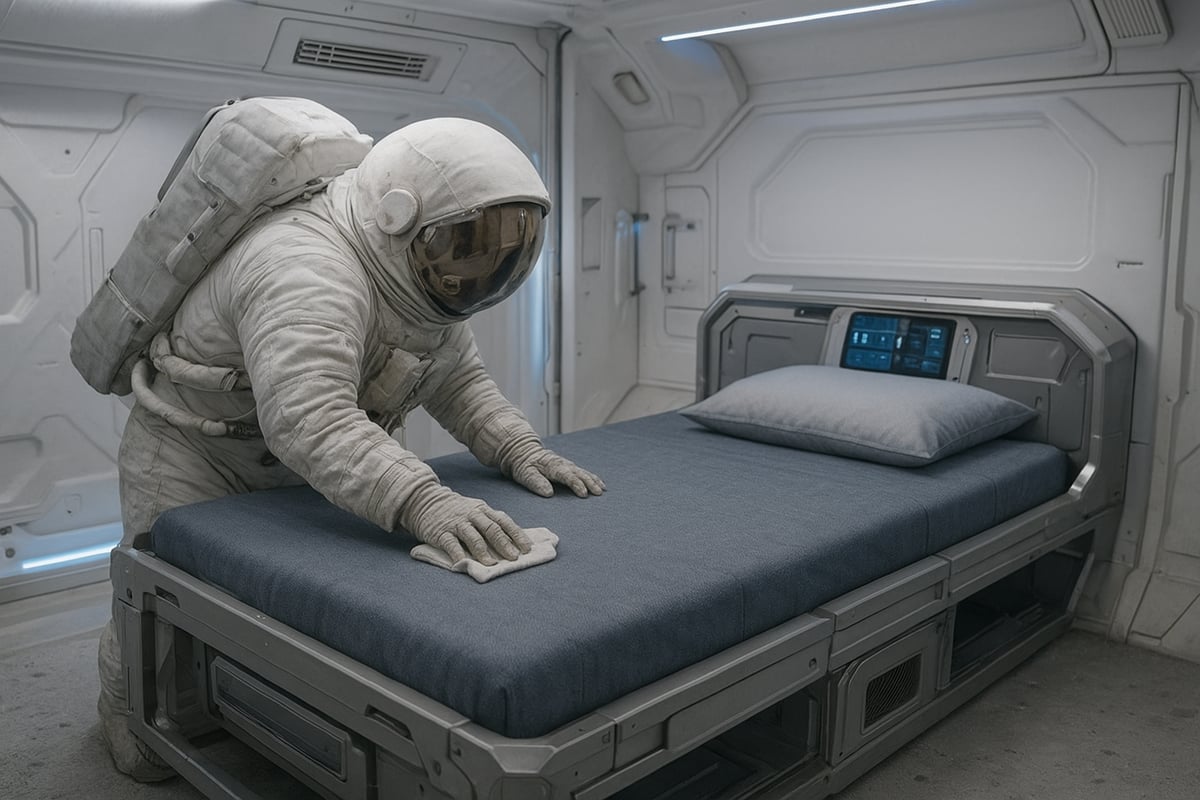
Routine Cleaning and Hygiene
Keeping your lunar bed free from lunar dust and contaminants is essential. The Moon’s fine regolith can infiltrate living spaces, so daily cleaning routines help preserve both health and equipment.
- Use vacuum-sealed bedding to minimise dust intrusion.
- Wipe down surfaces with approved antimicrobial solutions.
- Replace fabric covers on a regular, scheduled basis.
Lunar dust can be abrasive and may damage sensitive components if left unchecked. By following strict cleaning protocols, you extend the life of your lunar bed and maintain a hygienic sleeping environment.
System Checks and Upkeep
A lunar bed relies on integrated electronics and mechanical systems. Regular inspections are key to preventing unexpected failures.
- Inspect frames, joints, and fastenings for signs of wear.
- Run firmware updates on smart features to ensure optimal performance.
- Troubleshoot common issues such as connectivity loss or sensor malfunctions.
Scheduled system checks keep your lunar bed operating smoothly. Early detection of faults allows for prompt repairs, reducing downtime and ensuring continued comfort.
Repair and Replacement
Component wear is inevitable in the Moon’s challenging conditions. Thankfully, modular design makes repairs straightforward and efficient.
- Swap out worn mattress layers or electronic modules as needed.
- Use habitat 3D printers to produce small replacement parts.
- Keep a log of all repairs and replacements for ongoing reference.
After about 12 months, mattress layers may show signs of fatigue and should be replaced. This modular approach means your lunar bed remains supportive and functional, even after extended use.
Maximising Lifespan
With proper care, a lunar bed can last three to five years. To achieve this, focus on both usage habits and environmental management.
- Rotate the mattress regularly to distribute pressure.
- Adjust support zones to avoid overloading specific areas.
- Carefully manage temperature and humidity to prevent material degradation.
Investing in advanced materials, as discussed in 10 Reasons to Buy a Luxury Bed, contributes significantly to durability and comfort. Adopting these strategies helps your lunar bed withstand the rigours of space life.
Sustainability and Waste Management
End-of-life bedding materials must be handled responsibly in a closed lunar system. Sustainable practices ensure minimal waste and resource efficiency.
- Follow recycling protocols for foams, fabrics, and frame components.
- Utilise closed-loop systems to reprocess materials for future use.
- Support circular economy initiatives within your habitat.
By actively participating in these sustainability measures, you help create a cleaner, more efficient lunar environment while prolonging the usefulness of your lunar bed.
Expert Tips for Optimal Lunar Sleep
Getting quality rest in a lunar habitat is crucial for performance, health, and overall mission success. The unique environment of the Moon calls for a strategic approach to sleep, starting with your lunar bed setup and extending to daily routines that support your body and mind.
Sleep Hygiene and Environment
Establishing a consistent sleep routine is the foundation for restful nights on the Moon. Aim to go to bed and wake up at the same times each lunar day. Your lunar bed should be adjusted for optimal firmness and temperature, providing the right support in reduced gravity.
Control your sleep environment by minimising light and noise. Use blackout panels and white noise systems integrated with your lunar bed to create a peaceful atmosphere. Keeping the sleeping area clean and free from lunar dust helps reduce allergens and improve overall hygiene.
Adapting to Lunar Cycles and Lighting
The Moon’s day/night cycle is drastically different from Earth’s, making circadian rhythm management essential. Artificial lighting in your habitat should simulate natural sunrise and sunset patterns. Adjust the lunar bed’s smart lighting features to reinforce a healthy sleep-wake cycle.
Studies on astronauts have shown that circadian disruption can lead to sleep disorders and fatigue. For a deeper understanding, see the circadian disruption in astronauts review, which offers evidence-based interventions for managing these challenges. Syncing your routine with the lunar habitat’s schedule helps your body adapt more efficiently.
Stress, Isolation, and Mental Wellbeing
Isolation and confinement on the Moon can impact mental health and sleep quality. Incorporate mindfulness, relaxation techniques, and regular exercise into your daily routine. Design your lunar bed area as a personal sanctuary where you can unwind after a demanding day.
Social interaction with crew members, even brief conversations, can help reduce feelings of isolation. Astronauts on recent Artemis missions recommend relaxation rituals, such as listening to calming sounds or practising guided breathing, for transitioning to sleep.
Technology and Tracking for Better Sleep
Leverage wearable sleep trackers and health apps to monitor your sleep patterns and overall wellbeing. Many lunar beds in 2025 come equipped with embedded sensors that track posture, movement, and sleep duration, providing real-time feedback.
Smart technology allows you to adjust your bed’s firmness or temperature based on nightly data. According to the astronaut sleep duration study, sleep tracking in space environments can lead to significant improvements in rest quality and alertness. Use your lunar bed’s connectivity features to sync with the habitat’s health systems for personalised recommendations.
Common Sleep Challenges and Expert Resources
Even with advanced technology, sleep issues such as insomnia, discomfort, or environmental noise can arise. Common solutions include:
- Adjusting the lunar bed’s support zones for pressure relief.
- Using earplugs or white noise for sound isolation.
- Calibrating smart lighting to reduce blue light exposure before sleep.
Astronauts report up to 25% improvement in mood and cognitive performance with optimised sleep strategies. For ongoing support, consult space agency guidelines, seek remote sleep coaching, or use telemedicine services tailored to lunar habitat life.
| Expert Tip | Benefit |
|---|---|
| Consistent sleep schedule | Stabilises circadian rhythm |
| Smart bed adjustments | Enhanced comfort and support |
| Mindfulness routines | Reduced stress and faster sleep onset |
Mastering sleep in your lunar bed means blending advanced technology, daily discipline, and a focus on mental wellbeing. With these expert tips, restful nights on the Moon are within reach.
The Future of Lunar Bed Design: Trends and Innovations
The pace of innovation in lunar bed technology is accelerating as lunar missions transition from brief stays to long-term habitation. As we look ahead, the trends shaping tomorrow’s lunar bed revolve around adaptability, sustainability, and deep integration with habitat systems.
New research and prototypes are redefining what comfort, functionality, and personalisation mean in lunar habitats. Let us explore the most significant trends and innovations set to transform the future of sleep on the Moon.
Personalisation and Adaptive Technologies
Personalisation is at the heart of the future lunar bed, with adaptive technologies ensuring every astronaut enjoys optimal sleep and recovery. AI-driven sleep analysis systems are now capable of monitoring an occupant’s heart rate, breathing, and movement, adjusting the bed’s support zones in real time.
Imagine a lunar bed equipped with embedded sensors that automatically adapt firmness and alignment based on your sleep stage. These systems use biometric data to anticipate the sleeper’s needs, reducing disturbances and promoting deeper rest. For instance, if an astronaut’s posture shifts, the bed’s memory foam and support actuators gently reconfigure to maintain spinal alignment, a critical factor in low gravity.
Key features include:
- Dynamic firmness adjustment throughout the night
- Real-time sleep stage tracking and feedback
- Personalised temperature and lighting settings
A table below summarises these adaptive features:
| Feature | Benefit |
|---|---|
| AI Sleep Analysis | Customised support, improved rest |
| Biometric Tracking | Health monitoring, early alerts |
| Adaptive Support Zones | Prevents discomfort, boosts sleep |
With these advancements, the lunar bed becomes an intelligent sleep companion, supporting both physical health and psychological wellbeing.
Modular and Multi-Functional Beds
Space is a luxury in lunar habitats, so the lunar bed of the future must serve multiple purposes. Modular designs allow beds to be reconfigured as workstations, exercise platforms, or storage units, maximising every cubic centimetre.
Collapsible frameworks and lightweight materials make it possible to adapt the lunar bed to different needs throughout the lunar day. For example, a bed can transform into a seating area for group activities or fold up to reveal built-in storage compartments for personal gear and scientific equipment. This multifunctionality is essential in the confined quarters of a Moon base.
Notably, concepts such as Choosing Ottoman Storage Beds offer inspiration for innovative storage solutions, illustrating how terrestrial space-saving ideas are influencing lunar design.
Key modular features include:
- Quick-convert mechanisms for bed-to-desk or exercise use
- Integrated storage solutions beneath the mattress
- Tool-free assembly and reconfiguration
By allowing the lunar bed to play several roles, mission planners can reduce payload mass and increase habitat efficiency, which are both vital for long-duration stays.
Sustainable and Recyclable Materials
Sustainability is a driving force behind the next generation of lunar bed design. Every component must be durable, lightweight, and contribute to a closed-loop habitat system. Manufacturers are turning to biodegradable, recyclable, or even regrown materials to ensure minimal waste and environmental impact.
For instance, mattress cores and covers may be crafted from recycled habitat fabrics, while support structures use composite materials that can be repurposed at the end of their lifecycle. The lunar bed of 2025 will likely feature modular parts that are easy to swap out, repair, or recycle using in-habitat manufacturing tools, such as 3D printers.
Key trends in sustainable design:
- Biodegradable mattress foams and covers
- Modular components for easy replacement
- Closed-loop recycling systems within the habitat
A summary of material innovations:
| Material Type | Sustainability Benefit |
|---|---|
| Recycled Fabric | Reduces waste, extends life cycle |
| Biodegradable Foam | Simplifies end-of-life disposal |
| Composite Frames | Lightweight, strong, recyclable |
These sustainable approaches not only extend the lifespan of each lunar bed but also support the broader goal of creating a circular economy on the Moon.
Integration with Lunar Habitat Systems
The lunar bed is evolving into a key component of the habitat’s life support and environmental control systems. Future beds will monitor air quality, regulate temperature, and even assist in emergency situations. This integration ensures that every aspect of an astronaut’s rest is optimised for health and safety.
Smart beds exchange data with the habitat’s AI, enabling features such as automatic adjustment of lighting, oxygen levels, and noise cancellation based on the occupant’s sleep cycle. Beds may also include quick-release mechanisms for emergency egress and built-in sensors for early detection of health concerns.
Real-world testing in facilities such as the LUNA Moon facility overview is driving these innovations, ensuring that lunar bed systems perform reliably under authentic lunar conditions.
Key integration features:
- Environmental monitoring and adjustment
- Emergency response compatibility
- Data sharing with habitat health systems
The result is a lunar bed that not only provides comfort but also actively contributes to the safety, health, and operational efficiency of the entire lunar habitat.
As you look ahead to creating your ideal sleep environment—whether on the Moon or right here at home—every detail matters, from innovative materials to bespoke design. At The Sleep Co®, we understand that true comfort comes from thoughtful choices and personal touches. If you’re inspired by the science and craftsmanship behind tomorrow’s beds, why not take the first step towards your own tailored experience? You can feel the quality and see the colours up close before you decide. Start your journey by requesting Order Free Fabric Samples Now and discover the perfect material for your next bed.